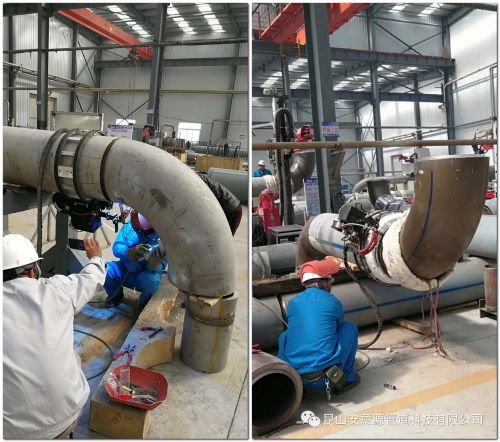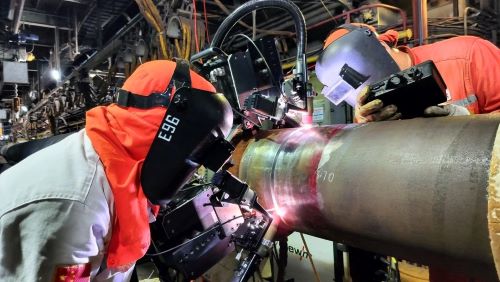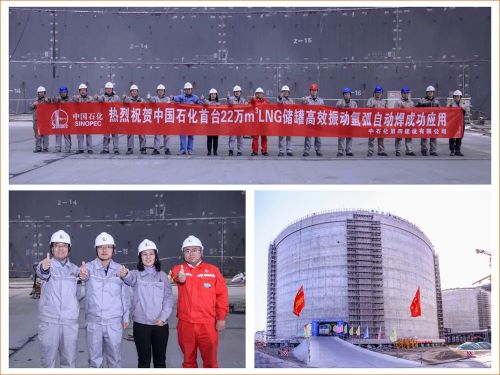
Welding machines are core processing equipment that join separate materials into a unified whole through localized heating. Different types of welding machines cater to the production needs of various industries, and they have currently achieved large-scale implementation across multiple industrial sectors.
Automotive Manufacturing
This is one of the most mature application areas for welding machines, covering core processes throughout the entire industry chain:
Vehicle Body Welding: Laser remote welding systems enable high-speed welding at 60 meters per minute, boosting efficiency fivefold compared to traditional spot welding. Volkswagen's adoption of laser brazing increased roof seam strength by 30% while eliminating environmental concerns associated with traditional sealants.
Dissimilar Material Joining: Laser oscillation welding technology enables stable joining of aluminum alloys and high-strength steel; the BMW 7 Series utilized this process to reduce body weight by 15% while maintaining original crash safety performance.
Complex Component Processing: Multi-head welding machines can deploy 10–20 welding heads simultaneously, completing dozens of closely spaced weld points on car seat frames in just seconds; time-division power technology allows them to accommodate welding requirements for sheets of varying thicknesses.
Intelligent Production: Laser welding stations equipped with visual positioning systems at Tesla's Shanghai factory keep the welding defect rate below 0.2% and significantly shorten the production line commissioning cycle for new vehicle models.
Plastic Component Welding: Servo-driven ultrasonic welding machines perform precision welding on glass-fiber reinforced materials-such as automotive sensor housings-enabling full-process quality traceability and ensuring the components' tensile strength and water resistance.