Working Principles of Mainstream Types
Arc Welding
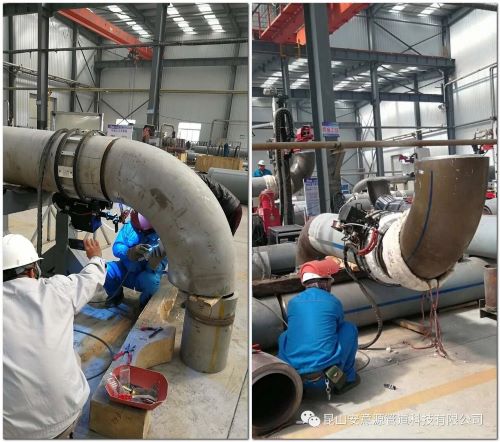
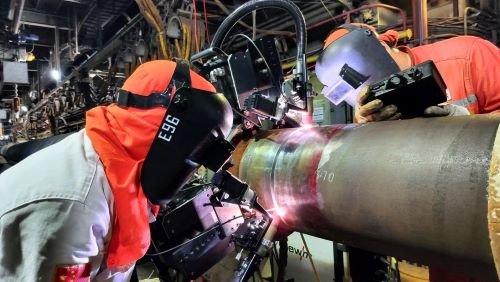
This process utilizes a welding arc to generate high temperatures (3,000–6,000°C), melting the electrode and the base material to form a molten pool, which then solidifies into a weld seam. Inside the machine, a step-down transformer converts high-voltage, low-current mains electricity into a low-voltage, high-current welding power supply; an arc is ignited across the small gap between the electrode and the workpiece to perform the weld.
Resistance Welding
Taking a spot welder as an example: two electrodes apply pressure to the workpiece, creating contact resistance where the metal layers meet. A high current flowing through this area generates instantaneous heat for fusion; once a weld nugget forms, the current is cut off while pressure is maintained during cooling to create the weld spot, without damaging the internal structure of the workpiece.
Laser Welding
This method uses a laser to generate high-energy-density laser pulses. After being focused by an optical system, the beam is directed onto a tiny area of the material. Heat conduction causes the material to melt internally, forming a specific molten pool to achieve precision welding; this results in a small heat-affected zone and minimal welding deformation.